



Try it for free and see how you can learn how to distinguish

With every purchase in
Try it for free and see how you can learn how to distinguish
With every purchase in
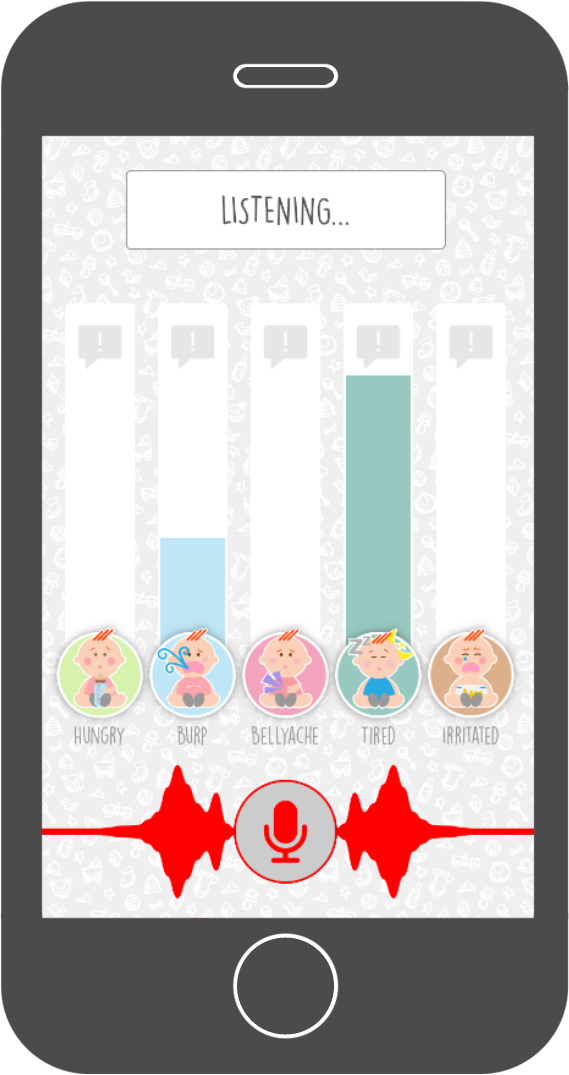
The Baby Language app teaches you the ability to distinguish different types of baby cries yourself. It comes with a support tool to help you in the first period when learning to distinguish baby cries. It points you in the right direction by real-time distinguishing baby cries and translating them into understandable language.
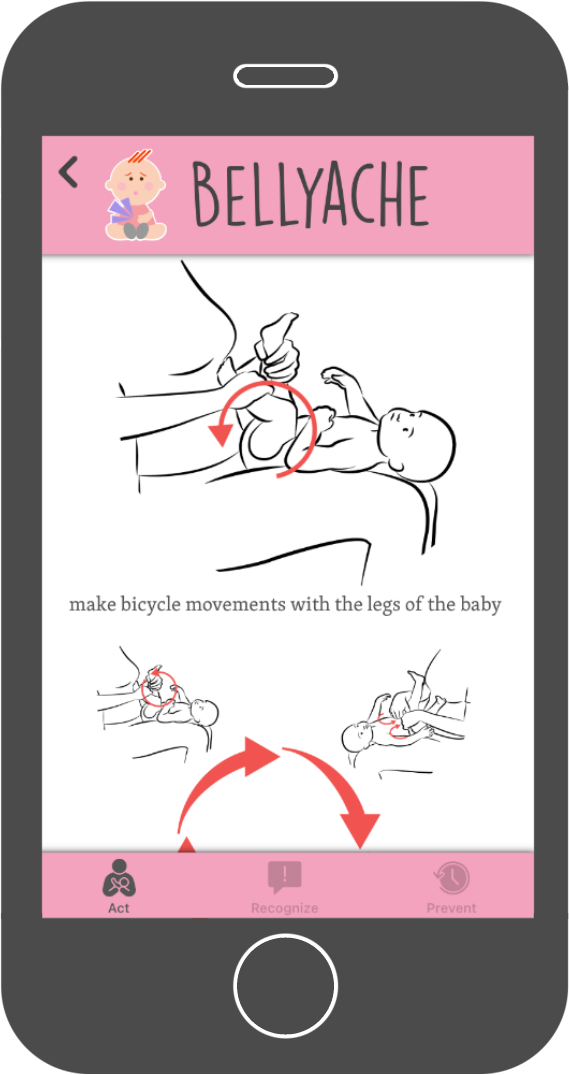 The Baby Language app shows you many different ways on how to handle each specific cry. It provides you with lots of information and illustrations on how to prevent or reduce all different kind of cries.
One of the most unusual historical footnotes involves the Seattle-based company . In 1990, during the Goodwill Games, the company introduced portable restrooms to the Soviet Union. At the time, such units were virtually unknown there. As a "goodwill gesture," two Honey Bucket units were donated and flown to the USSR inside an enormous Antonov cargo plane. A Seattle newspaper at the time noted that of all the gifts exchanged between the two nations, this one might "do the most to revolutionize the Soviet economy". 2. A Polite Term for a Harsh Reality
In a move that leans into the humor of the industry, the Honey Bucket company recently partnered with Seattle Mariners catcher . The partnership is a play on Raleigh's fan-given nickname, "Big Dumper" —a nod to his power hitting and physical build that just happened to fit the sanitation brand's name perfectly. 5. The Literal "Honey" Bucket
The song's frantic, heavy energy was so influential that bands like Lamb of God and Dillinger Escape Plan have covered it. 4. Modern Marketing "Grit"
If you aren't thinking about bathrooms, you're probably a fan of the band . Their 1993 song "Honey Bucket" is a legendary staple of the sludge and grunge era.
In extreme Arctic climates where plumbing pipes would simply freeze and burst, honey buckets—often just a five-gallon pail lined with a plastic bag—remained the standard for many remote villages for decades. 3. Grunge Music's Sludge Anthem
The name itself is a euphemism. It originated from the "honey wagons" used in early sanitation to haul away waste.

Founder and Developer

UI/UX Designer

Dutch translator
and coordinator

Webdesigner Honey Bucket

Spanish translator

French translator

Italian translator One of the most unusual historical footnotes involves

German translator

Indonesian translator

Portuguese translator As a "goodwill gesture," two Honey Bucket units

Russian translator

3D Graphic artist

Arabic translator

Magazine
Thanks to Baby Language I really got to know my child better. I now know how to find out what is bothering him and more important; How to prevent his inconveniences. He hardly cries
Technology News Website
Baby Language one of the must have
if you are a parent with small
TechWibe
One of the most unusual historical footnotes involves the Seattle-based company . In 1990, during the Goodwill Games, the company introduced portable restrooms to the Soviet Union. At the time, such units were virtually unknown there. As a "goodwill gesture," two Honey Bucket units were donated and flown to the USSR inside an enormous Antonov cargo plane. A Seattle newspaper at the time noted that of all the gifts exchanged between the two nations, this one might "do the most to revolutionize the Soviet economy". 2. A Polite Term for a Harsh Reality
In a move that leans into the humor of the industry, the Honey Bucket company recently partnered with Seattle Mariners catcher . The partnership is a play on Raleigh's fan-given nickname, "Big Dumper" —a nod to his power hitting and physical build that just happened to fit the sanitation brand's name perfectly. 5. The Literal "Honey" Bucket
The song's frantic, heavy energy was so influential that bands like Lamb of God and Dillinger Escape Plan have covered it. 4. Modern Marketing "Grit"
If you aren't thinking about bathrooms, you're probably a fan of the band . Their 1993 song "Honey Bucket" is a legendary staple of the sludge and grunge era.
In extreme Arctic climates where plumbing pipes would simply freeze and burst, honey buckets—often just a five-gallon pail lined with a plastic bag—remained the standard for many remote villages for decades. 3. Grunge Music's Sludge Anthem
The name itself is a euphemism. It originated from the "honey wagons" used in early sanitation to haul away waste.