n-Track Studio 10 adds new creativity boosting tools and effects
By using this site you agree to our Terms and Conditions. Please Accept these before using the site.

With custom sound import - a playground for creativity
From VocalTune to Convolverb, DEnoiser to Amps
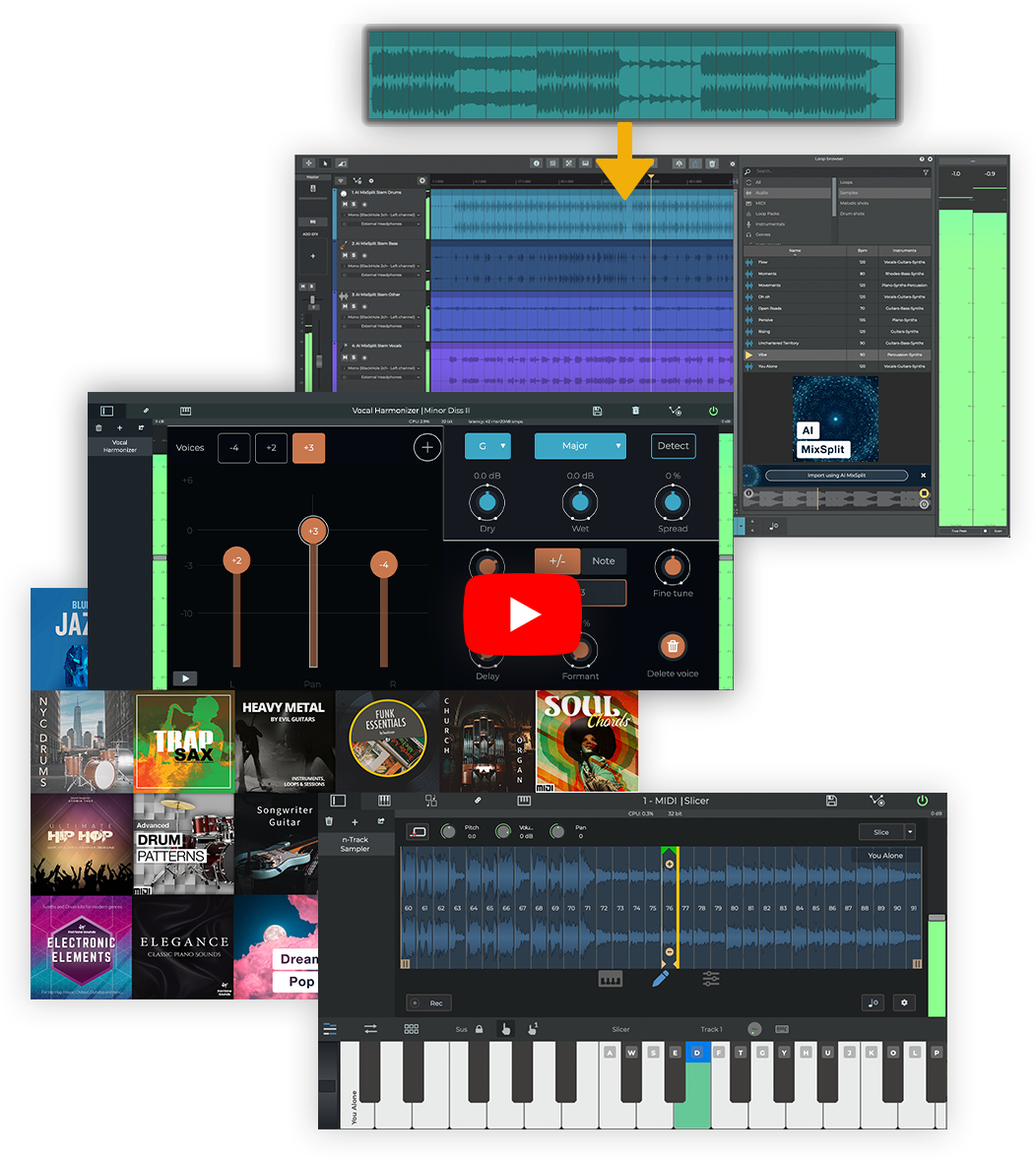
Use the power of AI to split full songs into separate tracks!
Find your next collab and upload your music
15GB+ selection of royalty free loops, projects and samples
Use n-Track 10 on all your Windows, Mac, Linux, Android and iOS devices.
Effortlessly navigate your projects.
Supports 5.1, 6.1 and 7.1
Craft your sonic signature with custom presets
She closed her eyes and saw the HD clarity of the music video: the high-speed cars, the stylized sorrow, the heavy makeup. But as the tallava reached its fever pitch, the artificial layers peeled away. She felt the ancient, unyielding spirit of the rhythm—a sound that had survived wars and borders.
Leta stood under the flickering neon lights of a roadside club on the outskirts of Pristina, the humid Balkan night air clinging to her skin. Inside, the bass of the tallava beat was a physical force, a rhythmic pulse that promised both escape and memory. She wasn’t here to dance; she was here to reclaim a song.
As the singer’s voice rose, raspy and raw, Leta moved toward the stage. She watched the way the strobe lights caught the gold chains of the performers, a stark contrast to the dust of the village where these lyrics were born. The song asked a question— A po knojna? (Are we singing?)—but for Leta, the question was deeper: Are we still who we were before the music became a product?
The melody of "A Po Knojna" began to snake through the crowd—a mourning clarinet wail met by the sharp, metallic snap of the darbuka. It was the "Official Video" version, the one that had played on every television screen in the valley for months. To the crowd, it was a party anthem, a reason to throw lek into the air. To Leta, it was the sound of her father’s old cassette tapes, digitized and polished into a modern hit.
In that crowded, smoke-filled room, Leta realized the song wasn't just a video or a file. It was a living bridge. She began to sing along, her voice lost in the roar of the speakers, finally finding her own place in the melody that refused to be forgotten.
 n-Track