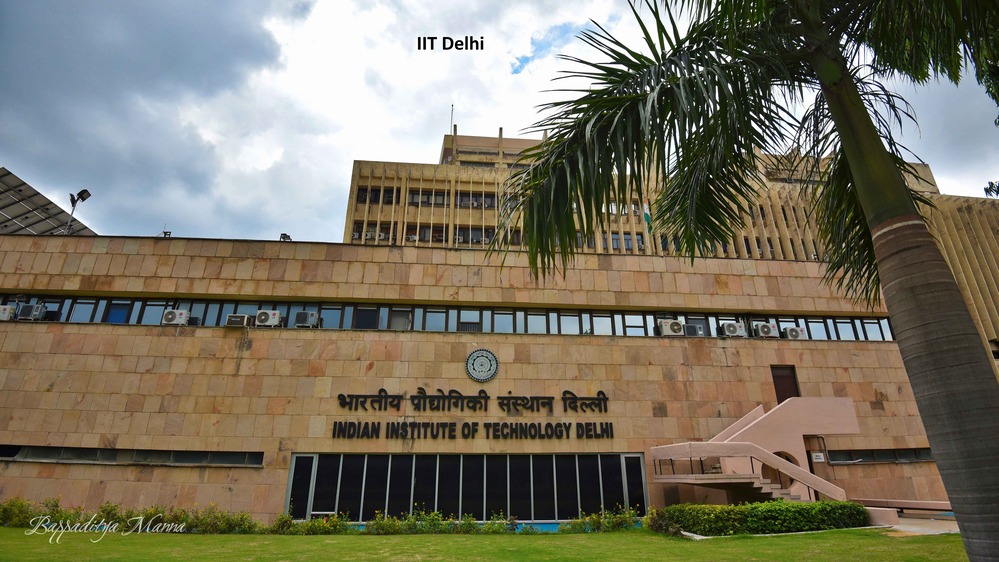




Watch video lectures and get the utilization of free books, topper suggestions and topper Tips.
you can find the features of jeeiitianbooks site to enhance your preparation and boost your confidence.
you can find the features of jeeiitianbooks site to enhance your preparation and boost your confidence.
: Private label presence is nearly universal, reaching 99.9% of U.S. households in the grocery sector.
Shoppers are no longer just "switching" to save money; they are "trading up" within the private label category. PRIVATE LABEL PRODUCTS
: In Europe , private label already accounts for roughly half of all unit sales , and Australia has reached a 40% share. Consumer Insights : Private label presence is nearly universal, reaching 99
: While grocery is the largest sector, general merchandise categories like office supplies (42% share) and home & garden (35% share) see the highest private label penetration. : In Europe , private label already accounts
The growth of is currently outpacing national brands by nearly three times. While value and affordability remain the primary drivers, retailers are increasingly using "premiumization" to attract higher-income shoppers.
The private label market has reached record heights as of 2026, with U.S. sales hitting . Once viewed as low-cost "generic" alternatives, these products—also known as store brands —now capture a 24% unit share of the total market. This shift is driven by a fading stigma; 72% of consumers now view store brands as strong alternatives to national brands, and many are unable to distinguish between the two based on quality alone. Market Performance & Trends
: Premium store brands now account for 40% of total private label spend, up significantly since 2019.

The collection of books and practice papers on this site is amazing. It really helped me to streamline my preparation and focus on important topics.
JEE Aspirant

The topper tips section is gold! Learning from the experience of those who have already cracked the exam is incredibly motivating and helpful.
JEE Aspirant

: Private label presence is nearly universal, reaching 99.9% of U.S. households in the grocery sector.
Shoppers are no longer just "switching" to save money; they are "trading up" within the private label category.
: In Europe , private label already accounts for roughly half of all unit sales , and Australia has reached a 40% share. Consumer Insights
: While grocery is the largest sector, general merchandise categories like office supplies (42% share) and home & garden (35% share) see the highest private label penetration.
The growth of is currently outpacing national brands by nearly three times. While value and affordability remain the primary drivers, retailers are increasingly using "premiumization" to attract higher-income shoppers.
The private label market has reached record heights as of 2026, with U.S. sales hitting . Once viewed as low-cost "generic" alternatives, these products—also known as store brands —now capture a 24% unit share of the total market. This shift is driven by a fading stigma; 72% of consumers now view store brands as strong alternatives to national brands, and many are unable to distinguish between the two based on quality alone. Market Performance & Trends
: Premium store brands now account for 40% of total private label spend, up significantly since 2019.