: Crystal interweaves his linguistic analysis with examples from classics like The Canterbury Tales , The Lord of the Rings , and the works of Shakespeare and Dickens. Book Structure (Table of Contents)
The narrative is organized into 17 major chapters and multiple "interludes" that focus on specific dialect stories:
: The Celtic language puzzle and the arrival of Germanic tribes.
: It traces the language from its Anglo-Saxon roots (5th Century) through Old , Middle , and Early Modern English to the global variety of modern dialects like American, Indian, and Australian English.
: Crystal argues that the history of English has been too focused on the educated, printed standard. He shifts the spotlight to the everyday voices—slang, regional accents, and dialects—that have driven the language's richness for 1,500 years.
Using VerbAce-Pro
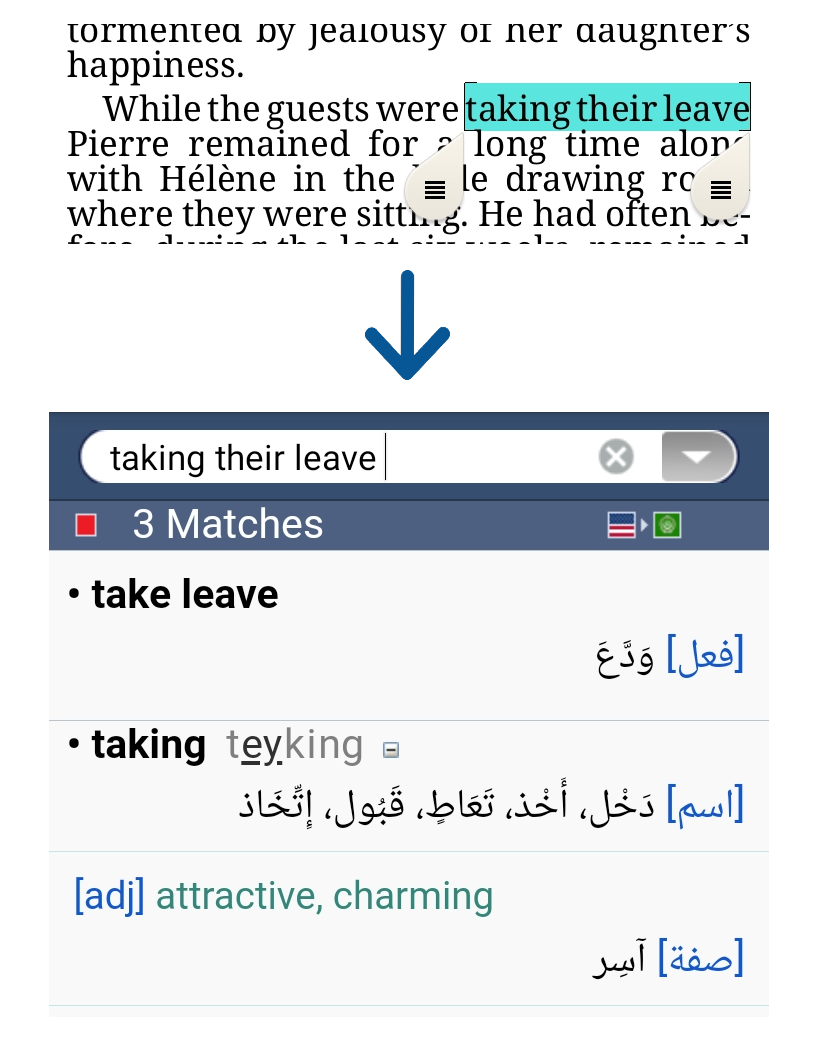
To use VerbAce-Pro just click on the word you want to translate, and the VerbAce-Pro results window will pop up with the trasnslation you need.
VerbAce-Pro captures and translates words and phrases from most Windows applications.
You can also pass the mouse over words and obtain quick translation via the Micro Window, or search for words by typing them in the term box.
Dictionary Features
|
Arabic broken plural and feminine forms The Stories of English | |
|
English usage indications : Crystal interweaves his linguistic analysis with examples | |
|
English broken plural forms : Crystal argues that the history of English | |
|
Entries sub-meanings (when applicable) | |
|
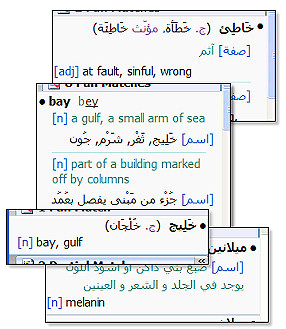
Many technical fields covered (Medicine, Anatomy, Law, Computing, Finance, and more) |
Advanced Morphological Engine
VerbAce-Pro morphological engine can analyze complex word formations and display the relevant dictionary entries.
The engine also detects and shows the form number of Arabic verbs.
: Crystal interweaves his linguistic analysis with examples from classics like The Canterbury Tales , The Lord of the Rings , and the works of Shakespeare and Dickens. Book Structure (Table of Contents)
The narrative is organized into 17 major chapters and multiple "interludes" that focus on specific dialect stories:
: The Celtic language puzzle and the arrival of Germanic tribes.
: It traces the language from its Anglo-Saxon roots (5th Century) through Old , Middle , and Early Modern English to the global variety of modern dialects like American, Indian, and Australian English.
: Crystal argues that the history of English has been too focused on the educated, printed standard. He shifts the spotlight to the everyday voices—slang, regional accents, and dialects—that have driven the language's richness for 1,500 years.
Made with Mobirise web themes